

Not every organisation calling itself a Group Training Organisation (GTO) is formally registered.
Group Training
Group Training
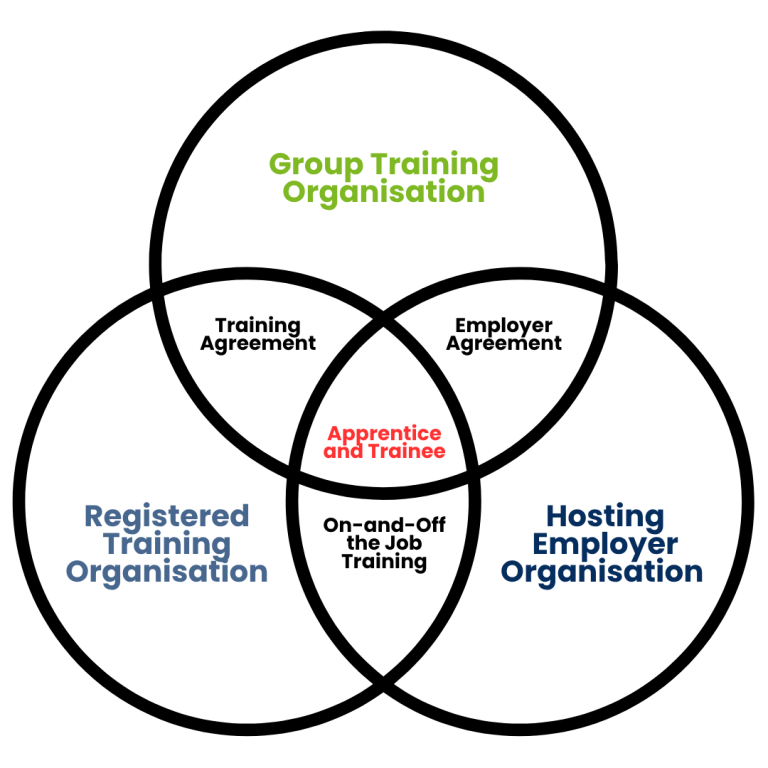
In Australia, Group Training Organisations (GTO) are specialised employers that take on apprentices and trainees under a training contract and place them with one or more host businesses. Put simply, the GTO holds the apprenticeship contract and all associated employer duties, while the host company provides the workplace and training. Employers partnering with a GTO cover an invoice to reimburse the GTO for the cost of the apprentice. In practice, they complement rather than replace employer training with a shared level of responsibility.
By assuming the role of employer, GTO’s take on all the legal obligations – payroll, entitlements, insurance, administration, and more – while host organisations provide day-to-day supervision and on-the-job training. Typically structured as not-for-profits, community organisations or registered charities (with Board Members), only registered GTOs may receive access to government funding. Additionally, GTOs must meet national registration requirements with a pertinent training authority to remain operational.
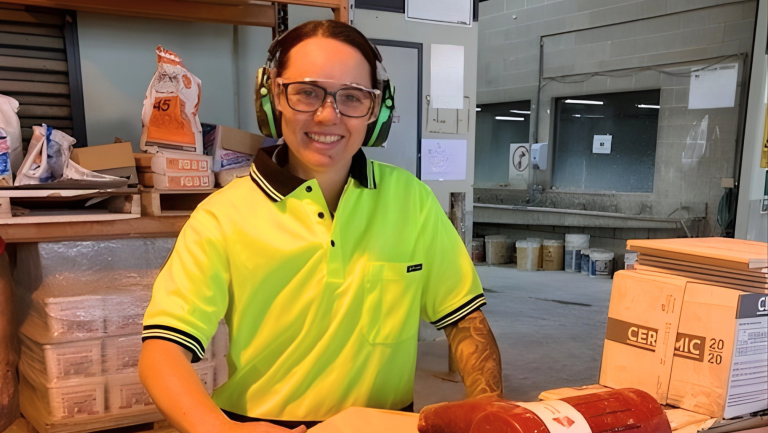
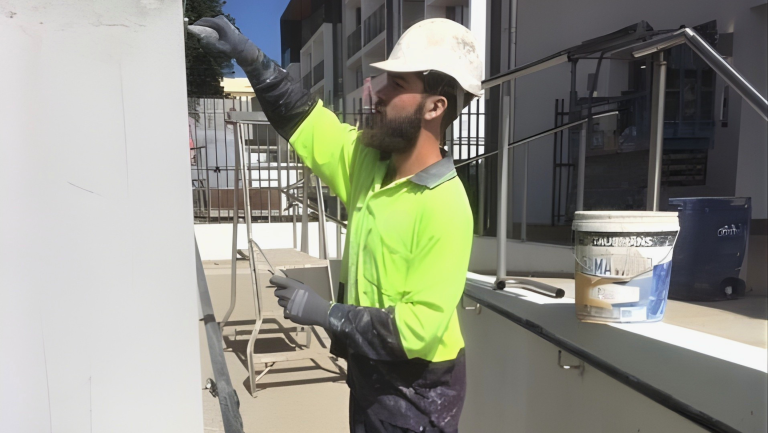
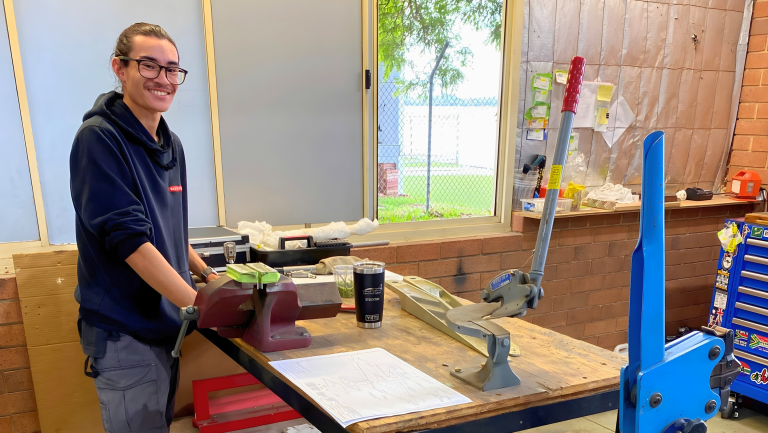
In Australia, Group Training Organisations (GTO) are specialised employers that take on apprentices and trainees under a training contract and place them with one or more host businesses. Put simply, the GTO holds the apprenticeship contract and all associated employer duties, while the host company provides the workplace and training. Employers partnering with a GTO cover an invoice to reimburse the GTO for the cost of the apprentice. In practice, they complement rather than replace employer training with a shared level of responsibility.
By assuming the role of employer, GTO’s take on all the legal obligations – payroll, entitlements, insurance, administration, and more – while host organisations provide day-to-day supervision and on-the-job training. Typically structured as not-for-profits, community organisations or registered charities (with Board Members), only registered GTOs may receive access to government funding. Additionally, GTOs must meet national registration requirements with a pertinent training authority to remain operational.
What is the Operational Group Training Model?
➤ Apprentice Recruitment and Employment
The GTO recruits or accepts an apprentice and establishes a training contract under a relevant award. It then matches the apprentice with one or more host employers. During each placement, the host provides the hands-on work experience, while the GTO remains the legal employer.
The GTO handles payroll and entitlements for the apprentice (such as wages, super, leave, or insurances). The host then pays the GTO a bill for those costs, and does not employ the apprentice directly. The host may elect to employ the apprentice after their apprenticeship is completed.
➤ Training Contracts and Training Plans
All contracts and agreements, such as the training contract and the apprenticeship agreement, list the GTO as the employer.
The GTO also liaises with the Registered Training Organisation (RTO) to ensure the apprentice completes the required training. Together, the GTO and RTO develop a Training Plan (or training schedule) that outlines on- and off-the-job learning.
Under the national standards, GTOs actively participate in crafting this plan so that it matches the host workplace’s skill needs and the apprentice’s qualification.
➤ Trade Support and Employer Responsibilities
While the host employer provides on the job training and supervision, the GTO takes overall responsibility for monitoring progress and supporting the apprentice. GTO field officers or mentors will regularly visit the host site to review work, ensure safety, and provide guidance. If issues arise, the GTO addresses them in consultation with the host and RTO. The host must also provide a safe work environment, but the GTO carries the worker’s compensation insurance and often supplies safety gear. The GTO manages pay, superannuation, payroll tax, and payroll deductions, removing those administrative burdens from the host. The host employer typically only has to verify timesheets and training attendance.
➤ Training Delivery, Rotations and Completions
The apprentice attends off-job training at a TAFE or RTO (as per the training plan). The GTO ensures attendance (which is part of host employer responsibilities under the Training Contract). The RTO conducts formal assessments. If the apprentice needs to change work placement (or if multiple hosts are required for broad experience), the GTO arranges these rotations. By policy, any rotation or secondment must be documented via a revised training plan. When the apprentice finishes the qualification, the GTO helps with final certification and can assist the host in transferring the apprentice onto the host’s payroll, if desired. The GTO can continue to monitor their relationship at hosts request.

What is the Operational Group Training Model?
➤ Apprentice Recruitment and Employment
The GTO recruits or accepts an apprentice and establishes a training contract under a relevant award. It then matches the apprentice with one or more host employers. During each placement, the host provides the hands-on work experience, while the GTO remains the legal employer.
The GTO handles payroll and entitlements for the apprentice (such as wages, super, leave, or insurances). The host then pays the GTO a bill for those costs, and does not employ the apprentice directly. The host may elect to employ the apprentice after their apprenticeship is completed.
➤ Training Contracts and Training Plans
All contracts and agreements, such as the training contract and the apprenticeship agreement, list the GTO as the employer.
The GTO also liaises with the Registered Training Organisation (RTO) to ensure the apprentice completes the required training. Together, the GTO and RTO develop a Training Plan (or training schedule) that outlines on- and off-the-job learning.
Under the national standards, GTOs actively participate in crafting this plan so that it matches the host workplace’s skill needs and the apprentice’s qualification.
➤ Trade Support and Employer Responsibilities
While the host employer provides on the job training and supervision, the GTO takes overall responsibility for monitoring progress and supporting the apprentice. GTO field officers or mentors will regularly visit the host site to review work, ensure safety, and provide guidance. If issues arise, the GTO addresses them in consultation with the host and RTO. The host must also provide a safe work environment, but the GTO carries the worker’s compensation insurance and often supplies safety gear. The GTO manages pay, superannuation, payroll tax, and payroll deductions, removing those administrative burdens from the host. The host employer typically only has to verify timesheets and training attendance.
➤ Training Delivery, Rotations and Completions
The apprentice attends off-job training at a TAFE or RTO (as per the training plan). The GTO ensures attendance (which is part of host employer responsibilities under the Training Contract). The RTO conducts formal assessments. If the apprentice needs to change work placement (or if multiple hosts are required for broad experience), the GTO arranges these rotations. By policy, any rotation or secondment must be documented via a revised training plan. When the apprentice finishes the qualification, the GTO helps with final certification and can assist the host in transferring the apprentice onto the host’s payroll, if desired. The GTO can continue to monitor their relationship at hosts request.
What is Directions' Group Training Model?
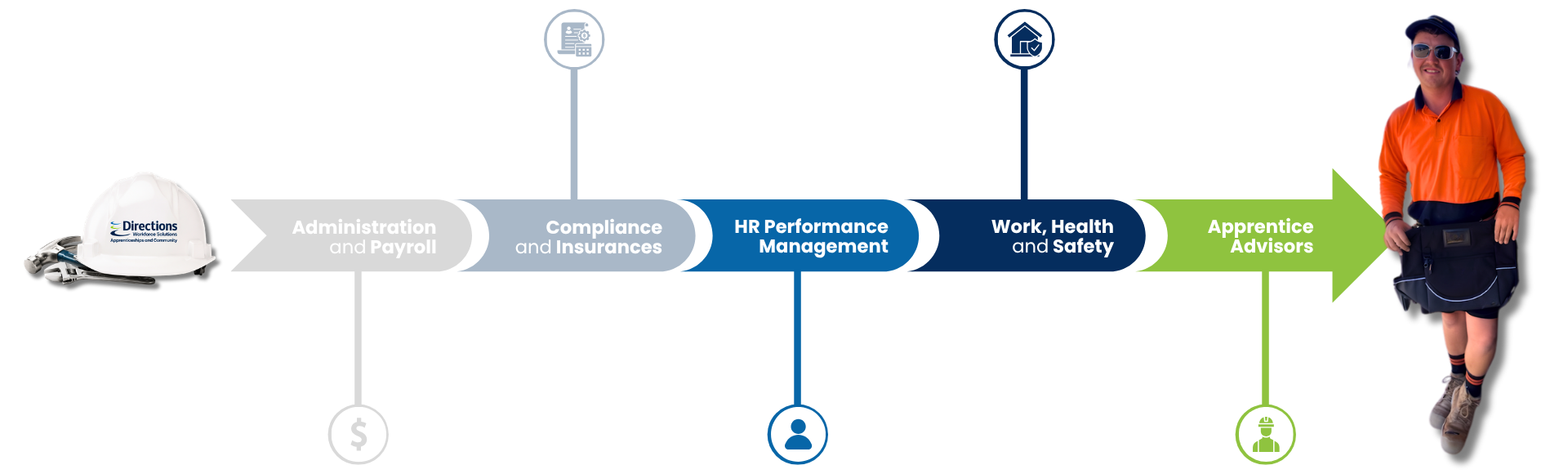
Directions Workforce Solutions offers the standard group training services but differentiates itself with strong value additions and targeted support programs, including subsidised trial placements, mentorship to disadvantaged job seekers. It also runs scholarships, and culturally informed training programs. Uniquely, the organisation delivers apprenticeships across various sectors, with surplus revenue funding community initiatives, scholarships, financial assistance and social procurement projects.
Directions draws on its philanthropic and Corporate Social Responsibility partnerships, state training agencies, local Aboriginal corporations and other industry partners, blending operational functions with social services. Directions’ versatile service is also modular in its delivery, so all host employers can plug in capability where they need it (such as surge labour or administrative support) without necessarily adopting the entire GTO employment model. This lets clients meet workforce demand and procurement targets while keeping day-to-day supervision and operational control.
What is Directions' Group Training Model?
Directions Workforce Solutions offers the standard group training services but differentiates itself with strong value additions and targeted support programs, including subsidised trial placements, mentorship to disadvantaged job seekers. It also runs scholarships, and culturally informed training programs.
Uniquely, the organisation delivers apprenticeships across various sectors, with surplus revenue funding community initiatives, scholarships, financial assistance and social procurement projects.
Directions draws on its philanthropic and Corporate Social Responsibility partnerships, state training agencies, local Aboriginal corporations and other industry partners, blending operational functions with social services.
Directions’ versatile service is also modular in its delivery, so all host employers can plug in capability where they need it (such as surge labour or administrative support) without necessarily adopting the entire GTO employment model. This lets clients meet workforce demand and procurement targets while keeping day-to-day supervision and operational control.
Secondments and Rotations
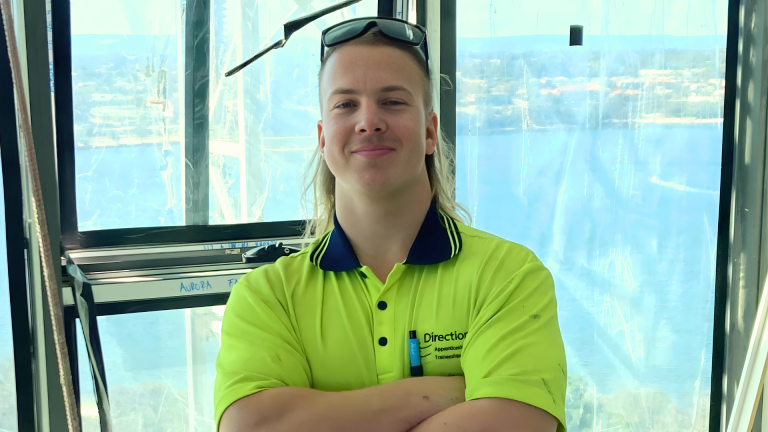

Directions excels in its coordination of secondments and multi-host rotations – a function we’ve appropriately called ‘flexible re-deployment’. Having built an extensive network of partner hosts across multiple industries, apprentice placements are strategically arranged around their TAFE block schedule and their place of residence.
An apprentice may temporarily spend a brief period working on a special project to developed specialised skills, then return to their main placement. These are usually arranged by Directions so the apprentice can meet all of the educational competency requirements without any significant gap in wages or training.
In practical terms, Directions will shift an apprentice to another approved site when either additional experience is needed or a host cannot provide work – all while continuing to pay the apprentice and support the transition. Secondment outcomes are generally positive as apprentices broaden their skills without career interruption.
Secondments and Rotations
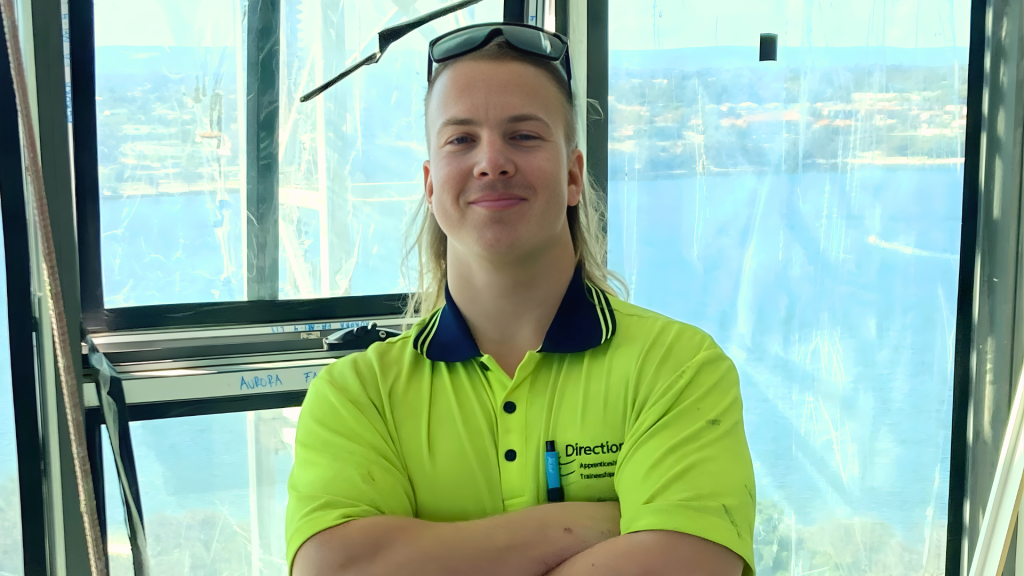
Directions excels in its coordination of secondments and multi-host rotations – a function we’ve appropriately called ‘flexible re-deployment’. Having built an extensive network of partner hosts across multiple industries, apprentice placements are strategically arranged around their TAFE block schedule and their place of residence.
An apprentice may temporarily spend a brief period working on a special project to developed specialised skills, then return to their main placement. These are usually arranged by Directions so the apprentice can meet all of the educational competency requirements without any significant gap in wages or training.
In practical terms, Directions will shift an apprentice to another approved site when either additional experience is needed or a host cannot provide work – all while continuing to pay the apprentice and support the transition. Secondment outcomes are generally positive as apprentices broaden their skills without career interruption.
Benefits of the Group Training Model
Host Employers

Lower Financial Risk and Administrative Burden.
Access to Government Wage Subsidies.
Flexible Support and Workforce Development.
Tender Assistance and Improved ESG Standards.
Access to Directions’ Extensive Network.
Industry Insights and Market Intelligence.
Apprentices and Trainees
Continuous Employment
and Training.
Broadened Skills and Industry Knowledge.
Higher Completion
and Retention Rates.
Unmitigated Mentorship and Support Systems.
Networking Opportunities and Lasting Relationships.
Industry Recognition
and Awards.
Benefits of the Group Training Model
Host Employers
Lower Financial Risk and Administrative Burden.
Access to Government Wage Subsidies.
Flexible Support and Workforce Development.
Tender Assistance and Improved ESG Standards.
Access to Directions’ Extensive Network.
Industry Insights and Market Intelligence.
Apprentices and Trainees
Continuous Employment
and Training.
Broadened Skills and Industry Knowledge.
Higher Completion
and Retention Rates.
Unmitigated Mentorship and Support Systems.
Networking Opportunities and Lasting Relationships.
Industry Recognition
and Awards.
Direct Employment and group Training Comparison
When considering an apprentice or trainee, it’s important to understand the differences between Direct Employment and the Group Training Organisation (GTO) model. Both approaches offer unique advantages and considerations, and choosing the right option depends on your business needs and available resources.
➤ Recruitment
Group Training Model
Directions provides a structured and agile recruitment pipeline and pre-screening delivery for the host organisation.
Direct Employment
Employers manage all of their marketing, advertising, screening and hiring internally within their organisation.
➤ Responsibilities
Group Training Model
Directions carries all legal employer responsibilities, including insurances and superannuation.
Direct Employment
The Host Organisation carries all employer responsibilities, and outsources little, if any, legal requirements.
➤ Support
Group Training Model
Apprentice Advisors deliver structured workplace or site visits, and engages in pastoral care or early intervention.
Direct Employment
Apprentice and trainee support is provided ad hoc by supervisors or managers alongside their normal duties.
➤ Deployment
Group Training Model
Directions utilises redeployment strategies through it’s network to enable flexible staffing without long commitments.
Direct Employment
For host employers, scaling workforces up or down requires new recruitment, termination, and support staff.
➤ Incidents
Group Training Model
Directions specialist Work Health and Safety team manages safety oversight, compliance, and insurance claims.
Direct Employment
Host organisations manage incidents, claims, and return-to-work processes internally within their own departments.
➤ Cost
Group Training Model
Directions get apprentices on site sooner through a streamlined recruitment process managed entirely by their team.
Direct Employment
For the host, finding and hiring the right apprentice can be time-consuming, often delaying productivity and project timelines.
Direct Employment and group Training Comparison
When considering an apprentice or trainee, it’s important to understand the differences between Direct Employment and the Group Training Organisation (GTO) model.
Both approaches offer unique advantages and considerations, and choosing the right option depends on your business needs and available resources.
➤ Recruitment
Group Training Model
Directions provides a structured and agile recruitment pipeline and pre-screening delivery for the host organisation.
Direct Employment
Employers manage all of their marketing, advertising, screening and hiring internally within their organisation.
➤ Responsibilities
Group Training Model
Directions carries all legal employer responsibilities, including insurances and superannuation.
Direct Employment
The Host Organisation carries all employer responsibilities, and outsources little, if any, legal requirements.
➤ Support
Group Training Model
Apprentice Advisors deliver structured workplace or site visits, and engages in pastoral care or early intervention.
Direct Employment
Apprentice and trainee support is provided ad hoc by supervisors or managers alongside their normal duties.
➤ Deployment
Group Training Model
Directions utilises redeployment strategies through it’s network to enable flexible staffing without long commitments.
Direct Employment
For host employers, scaling workforces up or down requires new recruitment, termination, and support staff.
➤ Incidents
Group Training Model
Directions specialist Work Health and Safety team manages safety oversight, compliance, and insurance claims.
Direct Employment
Host organisations manage incidents, claims, and return-to-work processes internally within their own departments.
➤ Cost
Group Training Model
Directions get apprentices on site sooner through a streamlined recruitment process managed entirely by their team.
Direct Employment
For the host, finding and hiring the right apprentice can be time-consuming, often delaying productivity and project timelines.
The History of the Group Training Model
1970s-1980s
1980s-1990s
1998-2002
2000s-2020s
The group training idea first emerged from an industry prototype of shared apprenticeships. By the late 1970s, a few experimental GTOs appeared (often in the automotive and construction trades).
In 1981, the Commonwealth and states launched the Group Apprenticeship Scheme, funding not-for-profit GTOs’ start-up and administrative costs. This formalised the GTO model nationwide. Before this, apprentices were primarily indentured to single organisations.
Group training steadily grew. By 1990 about 90 GTOs operated in Australia, employing roughly 10,000 apprentices. In 1991, the national industry body was formed (initially Group Training Australia, this was later changed to the Apprentice Employment Network in 2017). State divisions were formed.
Throughout the 1980s and 1990s, GTOs were largely non-profit or industry-led entities, and governments provided recurring Joint Group Training Program funds to support apprenticeships.
The introduction of the Australian Apprenticeships system created a more consistent national framework for apprenticeships, standardising training contracts, administration, and pathways across Australia.
These reforms were further strengthened in 2002 with the development of the National Standards for Group Training Organisations, which established consistent quality benchmarks and formalised the role of GTOs, nationwide.
By the 2000s, governments required GTOs to meet the new standards to remain eligible for funding. In WA, the State Training Authority (and now the Department of Training and Workforce Development) regulates GTO registration and runs awareness campaigns.
Most recently, updated standards and funding agreements (2021–2023) have reinforced contestable, equal-opportunity funding for all registered GTOs. Today, Australia has 180+ GTOs.
The History of the Group Training Model
1970s-1980s
The group training idea first emerged from an industry prototype of shared apprenticeships. By the late 1970s, a few experimental GTOs appeared (often in the automotive and construction trades).
In 1981, the Commonwealth and states launched the Group Apprenticeship Scheme, funding not-for-profit GTOs’ start-up and administrative costs. This formalised the GTO model nationwide. Before this, apprentices were primarily indentured to single organisations.
1980s-1990s
Group training steadily grew. By 1990 about 90 GTOs operated in Australia, employing roughly 10,000 apprentices. In 1991, the national industry body was formed (initially Group Training Australia, this was later changed to the Apprentice Employment Network in 2017). State divisions were formed.
Throughout the 1980s and 1990s, GTOs were largely non-profit or industry-led entities, and governments provided recurring Joint Group Training Program funds to support apprenticeships.
1998-2002
The introduction of the Australian Apprenticeships system created a more consistent national framework for apprenticeships, standardising training contracts, administration, and pathways across Australia.
These reforms were further strengthened in 2002 with the development of the National Standards for Group Training Organisations, which established consistent quality benchmarks and formalised the role of GTOs, nationwide.
2000s-2020s
By the 2000s, governments required GTOs to meet the new standards to remain eligible for funding. In WA, the State Training Authority (and now the Department of Training and Workforce Development) regulates GTO registration and runs awareness campaigns.
Most recently, updated standards and funding agreements (2021–2023) have reinforced contestable, equal-opportunity funding for all registered GTOs. Today, Australia has 180+ GTOs.
Frequently Asked Questions
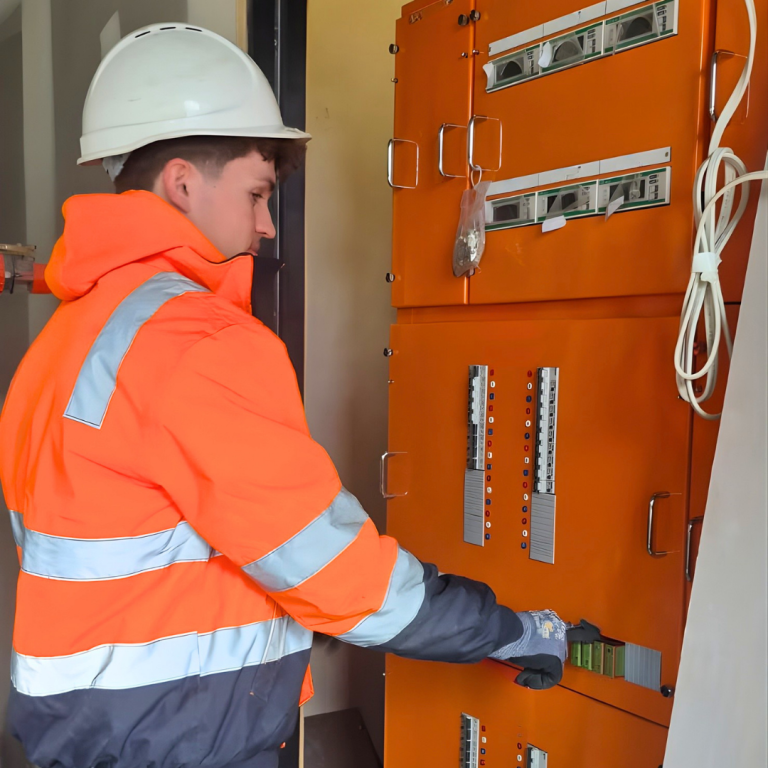
➤ How has the GTO Model Influenced Completion Rates?
Improving apprenticeship completion rates has long been a challenge within Australia’s vocational education and training (VET) system. Apprentices may withdraw due to workplace issues, financial pressures, personal circumstances, or inadequate support. The GTO model addresses these challenges by providing structured mentoring, ongoing guidance, and stronger support throughout the apprenticeship.
A key strength of the model is its ability to improve apprentice-host employer matching, helping ensure apprentices are placed in workplaces that align with their skills, interests, and employer expectations. GTOs also provide regular mentoring and monitor apprentice progress through ongoing communication with apprentices, host employers, and Registered Training Organisations (RTOs). This enables potential issues to be identified early and addressed before they affect apprenticeship completion.
➤ How do charities and not-for-profits Support GTOs?
Many GTOs in Australia operate as not-for-profit organisations, meaning any surplus revenue is reinvested into services that benefit apprentices, trainees, host employers, and the broader community. This allows GTOs to provide additional support.
As community-focused organisations, not-for-profit GTOs often work closely with government, industry, schools, Registered Training Organisations (RTOs), and employment service providers to create pathways into apprenticeships for individuals who may face barriers to employment.
Charitable organisations also support the GTO model by partnering with GTOs to deliver employment and training initiatives that address skills shortages and improve economic outcomes. Through these partnerships, charities can assist with pre-employment programs, mentoring, financial assistance, and support services that help apprentices overcome personal or social challenges.
For more information on how Directions Workforce Solutions differs from its competitors’ charity initiatives, please see our Community page.
➤ Are all Group Training Organisations Registered?
Recognised GTOs are assessed against the National Standards for Group Training Organisations and must meet those standards for recruitment, trainee support, governance and administration.
Recognised GTOs undergo independent audits and ongoing monitoring. They complete an initial compliance audit, submit an annual self‑assessment, and face independent re‑audits typically on a three to five year cycle.
Auditors are approved externally, audit costs are usually borne by the GTO, and regulators can require earlier or ad‑hoc audits if risks or non‑compliance arise.
➤ How do GTOs contribute to Addressing Skills Shortages?
Group Training Organisations (GTOs) play an important role in addressing Australia’s skills shortages by increasing access to apprenticeships and supporting workforce development across key industries. By recruiting, employing, and placing apprentices with host employers, GTOs enable businesses that may lack the resources or capacity to directly employ apprentices to participate in training the future workforce. This is particularly beneficial for small and medium-sized enterprises (SMEs), which make up a significant proportion of Australia’s economy.
Additionally, many GTOs support initiatives that increase participation among underrepresented groups, including women, First Nations Australians, and regional communities, helping to build a more diverse and sustainable workforce.
By reducing barriers to apprenticeship participation and supporting both employers and apprentices, GTOs strengthen Australia’s skilled labour pipeline and contribute to the nation’s long-term workforce development priorities.
➤ How is Government Policy Supporting the GTO Model?
Government policies and funding programs have been instrumental in supporting the GTO model by encouraging apprenticeship participation, reducing barriers for employers, and helping address national skills shortages. Financial incentives, wage subsidies, and targeted apprenticeship programs have enabled GTOs to recruit, employ, and support apprentices across a range of industries, particularly those experiencing high demand for skilled workers.
However, the effectiveness of government support can be influenced by changes to funding arrangements, eligibility criteria, and apprenticeship incentives over time. Frequent policy changes can create uncertainty for GTOs and employers, making long-term workforce planning more challenging. Despite these limitations, government policies and funding remain essential to the sustainability of the GTO model and its contribution to Australia’s apprenticeship system and skilled workforce development.
➤ What is the Economic and Social Impact of the GTO Model?
Economically, GTOs help address skills shortages in key industries such as construction, engineering, manufacturing, mining, and defence by increasing the number of apprentices entering and completing vocational training. Their recruitment, mentoring, and training coordination services improve apprentice retention and completion rates, helping employers secure qualified workers and reducing the costs associated with recruitment and skills gaps.
Socially, GTOs improve access to employment and training opportunities for a diverse range of individuals, including school leavers, women in trades, First Nations Australians, regional communities, and people facing barriers to employment. Through mentoring, pastoral care, and ongoing support, GTOs help apprentices develop not only technical skills but also confidence, workplace readiness, and long-term career prospects.
➤ What is the Future of the GTO Model in Australia?
The future of the Group Training Organisation (GTO) model in Australia is likely to be shaped by increasing demand for skilled workers, technological advancements, and evolving workforce priorities. As industries such as construction, defence, advanced manufacturing, renewable energy, and digital technologies continue to expand, GTOs are expected to play an increasingly important role in recruiting, training, and supporting apprentices to meet Australia’s future skills needs.
The continued success of the GTO model will depend on ongoing government support, strong industry collaboration, and the ability of GTOs to adapt to emerging technologies and workforce trends. By continuing to reduce barriers to apprenticeship participation and providing structured support to apprentices and employers, GTOs are expected to remain an important component of Australia’s vocational education and training system and long-term workforce strategy.
Frequently Asked Questions
➤ How has the GTO Model Influenced Completion Rates?
Improving apprenticeship completion rates has long been a challenge within Australia’s vocational education and training (VET) system. Apprentices may withdraw due to workplace issues, financial pressures, personal circumstances, or inadequate support. The GTO model addresses these challenges by providing structured mentoring, ongoing guidance, and stronger support throughout the apprenticeship.
A key strength of the model is its ability to improve apprentice-host employer matching, helping ensure apprentices are placed in workplaces that align with their skills, interests, and employer expectations. GTOs also provide regular mentoring and monitor apprentice progress through ongoing communication with apprentices, host employers, and Registered Training Organisations (RTOs). This enables potential issues to be identified early and addressed before they affect apprenticeship completion.
➤ How do charities and not-for-profits Support GTOs?
Many GTOs in Australia operate as not-for-profit organisations, meaning any surplus revenue is reinvested into services that benefit apprentices, trainees, host employers, and the broader community. This allows GTOs to provide additional support.
As community-focused organisations, not-for-profit GTOs often work closely with government, industry, schools, Registered Training Organisations (RTOs), and employment service providers to create pathways into apprenticeships for individuals who may face barriers to employment.
Charitable organisations also support the GTO model by partnering with GTOs to deliver employment and training initiatives that address skills shortages and improve economic outcomes. Through these partnerships, charities can assist with pre-employment programs, mentoring, financial assistance, and support services that help apprentices overcome personal or social challenges.
For more information on how Directions Workforce Solutions differs from its competitors’ charity initiatives, please see our Community page.
➤ Are all Group Training Organisations Registered?
Not every organisation calling itself a Group Training Organisation (GTO) is formally registered.
Recognised GTOs are assessed against the National Standards for Group Training Organisations and must meet those standards for recruitment, trainee support, governance and administration.
Recognised GTOs undergo independent audits and ongoing monitoring. They complete an initial compliance audit, submit an annual self‑assessment, and face independent re‑audits typically on a three to five year cycle.
Auditors are approved externally, audit costs are usually borne by the GTO, and regulators can require earlier or ad‑hoc audits if risks or non‑compliance arise.
➤ How do GTOs contribute to Addressing Skills Shortages?
Group Training Organisations (GTOs) play an important role in addressing Australia’s skills shortages by increasing access to apprenticeships and supporting workforce development across key industries. By recruiting, employing, and placing apprentices with host employers, GTOs enable businesses that may lack the resources or capacity to directly employ apprentices to participate in training the future workforce. This is particularly beneficial for small and medium-sized enterprises (SMEs), which make up a significant proportion of Australia’s economy.
Additionally, many GTOs support initiatives that increase participation among underrepresented groups, including women, First Nations Australians, and regional communities, helping to build a more diverse and sustainable workforce.
By reducing barriers to apprenticeship participation and supporting both employers and apprentices, GTOs strengthen Australia’s skilled labour pipeline and contribute to the nation’s long-term workforce development priorities.
➤ How is Government Policy Supporting the GTO Model?
Government policies and funding programs have been instrumental in supporting the GTO model by encouraging apprenticeship participation, reducing barriers for employers, and helping address national skills shortages. Financial incentives, wage subsidies, and targeted apprenticeship programs have enabled GTOs to recruit, employ, and support apprentices across a range of industries, particularly those experiencing high demand for skilled workers.
However, the effectiveness of government support can be influenced by changes to funding arrangements, eligibility criteria, and apprenticeship incentives over time. Frequent policy changes can create uncertainty for GTOs and employers, making long-term workforce planning more challenging. Despite these limitations, government policies and funding remain essential to the sustainability of the GTO model and its contribution to Australia’s apprenticeship system and skilled workforce development.
➤ What is the Economic and Social Impact of the GTO Model?
Economically, GTOs help address skills shortages in key industries such as construction, engineering, manufacturing, mining, and defence by increasing the number of apprentices entering and completing vocational training. Their recruitment, mentoring, and training coordination services improve apprentice retention and completion rates, helping employers secure qualified workers and reducing the costs associated with recruitment and skills gaps.
Socially, GTOs improve access to employment and training opportunities for a diverse range of individuals, including school leavers, women in trades, First Nations Australians, regional communities, and people facing barriers to employment. Through mentoring, pastoral care, and ongoing support, GTOs help apprentices develop not only technical skills but also confidence, workplace readiness, and long-term career prospects.
➤ What is the Future of the GTO Model in Australia?
The future of the Group Training Organisation (GTO) model in Australia is likely to be shaped by increasing demand for skilled workers, technological advancements, and evolving workforce priorities. As industries such as construction, defence, advanced manufacturing, renewable energy, and digital technologies continue to expand, GTOs are expected to play an increasingly important role in recruiting, training, and supporting apprentices to meet Australia’s future skills needs.
The continued success of the GTO model will depend on ongoing government support, strong industry collaboration, and the ability of GTOs to adapt to emerging technologies and workforce trends. By continuing to reduce barriers to apprenticeship participation and providing structured support to apprentices and employers, GTOs are expected to remain an important component of Australia’s vocational education and training system and long-term workforce strategy.
A Proven Partnership Model
The Group Training Organisation model plays a vital role in strengthening Australia’s skilled workforce by creating a supported pathway between apprentices and host employers.
By connecting people with opportunity and businesses with skilled workers, the Group Training Model helps address Australia’s skills shortages and creates stronger workforce outcomes.
As a trusted Group Training Organisation, Directions Workforce Solutions is committed to supporting apprentices, trainees, and employers through every stage of the journey. Contact Directions today to discover how we can help build your future workforce.
A Proven
Partnership Model
As a trusted Group Training Organisation, Directions Workforce Solutions is committed to supporting apprentices, trainees, and employers through every stage of the journey. Contact Directions today to discover how we can help build your future workforce.